

Fight, Flight or Freeze (FFF) is the body’s natural response to stress. It is built into our system to ensure that we survive perceived and actual danger. But, if this response is repeatedly activated, our emotional and physical well-being will suffer.
Let’s examine when it helps us and when it hurts us, then explore some activities that can assist us in functioning optimally in the face of stress. Exercising new and nuanced responses to stress will help us form strong buffers and build more resilience and capacity over time.
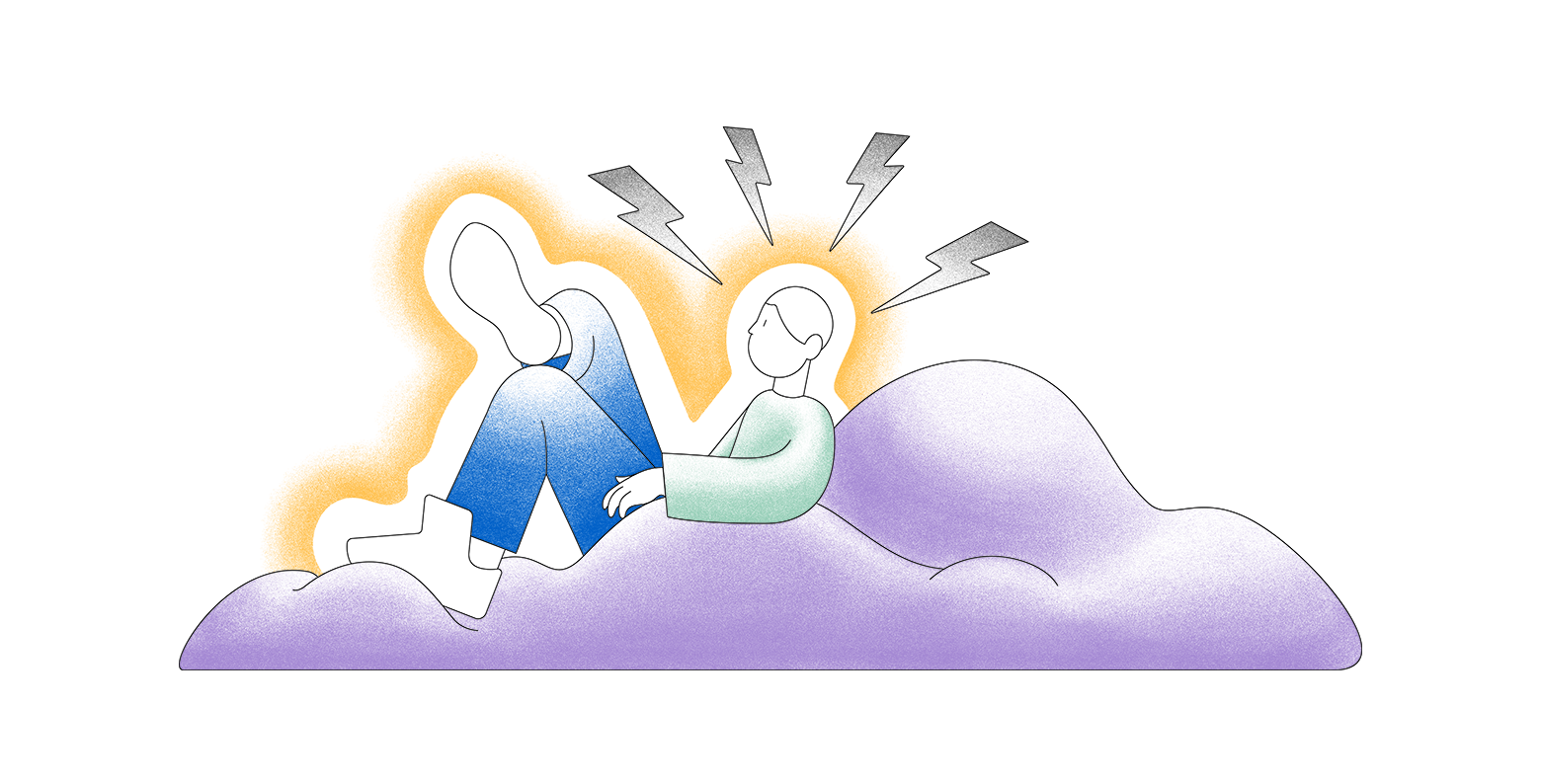
Imagine you’re a neolithic hunter and a giant wooly rhino is chasing you on the steppe. You have to either muster all your strength to fight it so that your family gets fed or, you gotta run away fast and freeze in the grass to hide. In this situation, FFF can save your life.
Fast forward to today―yes, there are still moments when we want our body to respond and protect itself from harm. However, we are also exposed to situations with very high-stress that are not resolved by fighting, fleeing, or freezing.
Still, FFF can be our default response to these many stressors; if we do not know how to identify and manage our reactions to stress then things like a long to-do list, meeting new people, or bad news on TV can repeatedly activate our physiological and hormonal FFF response, which is out of proportion to the stressor.
Before we discuss how to manage stress differently, let’s learn a bit more about how Fight, Flight, or Freeze works:
Stress―a loud noise, a disagreement, a full inbox―triggers a response in a specific place in our brain called the amygdala. The amygdala doesn’t necessarily know the difference between an avalanche or a deadline that you perceive as stressful―they both signal danger in our sympathetic (or involuntary) nervous system.
The amygdala then sends an urgent message to the adrenal glands to release adrenaline and cortisol to the bloodstream. Our heart beats faster to get the blood moving through our body, we breathe shallow and quickly to get more oxygen, and we sweat to cool down―all reactions that would help us fight or run away. Sometimes our mind goes blank so that we don’t move or talk―great for freezing and hiding. Cytokines are released to puff up our muscles and prepare for possible injury―also known as inflammation; chronic inflammation will do damage, such as contributing to heart disease, diabetes, cancer, arthritis, and bowel diseases, to name a few.
Learning to identify signs of stress in the body, and how to prepare ourselves for stressful situations can prevent FFF responses from taking a toll on our bodies and minds over time. Checking in with our stress levels and using self-soothing techniques engages our parasympathetic nervous system, also known as the “rest and digest system.” Self-soothing skills can foster lifelong healthy habits in young people and adults, helping to enhance the quality of life as well as learning and relationship building.
Try using some self-awareness and self-regulation techniques at home and in the classroom with students. Self-regulation, or self-soothing, can help slow your heart rate AND bring breathing back to a stable rhythm so that we can function optimally.
One check-in activity is the CIS Mindset Map, and there are more activities for self-care, regulation, capacity building, and more available in the Activity Corner.